
SIM DATA
SIM (Subscriber Identity Module) technology is evolving rapidly, and these changes now play a major role in determining how, and where, a mobile device can be activated, traded, or resold. A device’s SIM capabilities directly influence its value, its compatibility across carrier networks, and its ease of onboarding.
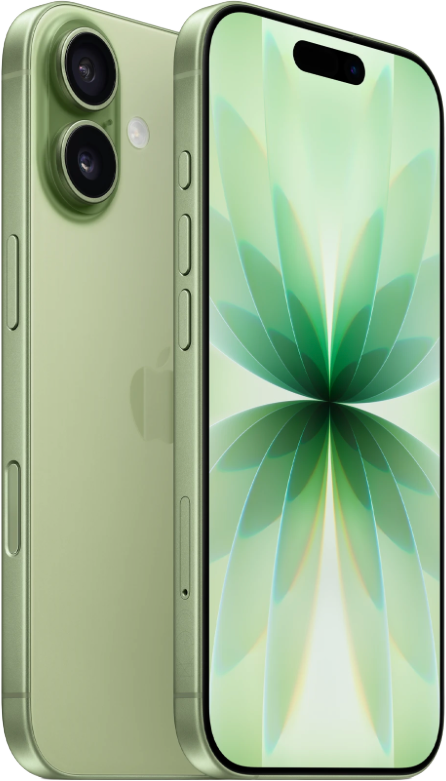
The move toward eSIM has been building for years, but Apple’s iPhone 17 launch marks a major turning point. With this generation, Apple continues its expansion of eSIM-only models beyond the U.S., signaling a clear long-term direction for the industry. As iPhone 17 devices enter circulation, and as secondary markets begin receiving older models as trade-ins, understanding SIM capabilities becomes more important than ever.
WHY eSIM MATTERS MORE TODAY
eSIM-enabled devices support over-the-air (OTA) activation, which simplifies onboarding, reduces errors, and improves customer experience. Because the eSIM is digitally embedded, it:
Is less prone to damage or loss during shipping
Enables faster, cleaner provisioning by carriers & MVNOs
Can’t be physically removed or swapped
Is more secure against misuse
With Apple pushing eSIM adoption through the iPhone 17 line, and many Android OEMs also offering eSIM devices, the number of devices activated via OTA methods will increase sharply across the next upgrade cycle.
The Ongoing Role of Physical SIM
Physical SIM support remains important, especially in global markets where eSIM adoption varies by region or where users rely on swapping SIM cards for travel or carrier changes. Physical SIM devices offer:
- Easy device-to-device transfer
- Broader compatibility in regions without mature eSIM infrastructure
In the secondary market, understanding whether a device supports Physical SIM, eSIM, or both is essential for assessing its activation potential and resale value – particularly across borders where eSIM support may be inconsistent.

The Industry Impact of iPhone 17
Apple’s continued shift to eSIM-only devices with the iPhone 17 brings several major implications:
- Cross-border resale will become more complex, as some regions still depend on physical SIM activation.
- Secondary-market valuations will increasingly depend on SIM type, especially for devices exported to LATAM, Africa, or Southeast Asia.
- Carriers and MVNOs must prepare for higher volumes of OTA-only activations as eSIM becomes standard.
- Device processors and traders will see greater variation in demand based on SIM compatibility, making SIM-type visibility essential in pricing.
As iPhone 17 enters the ecosystem, and millions of older iPhones are traded in, SIM capability data becomes a critical part of evaluating every device.
How We Help
This information helps you understand activation pathways, market compatibility, and device value before making buying, processing, reactivation, or resale decisions.
We provide SIM Capability Data for every IMEI including whether a device supports:
eSIM
Physical SIM
Dual SIM / Hybrid Configurations
Who Benefits from SIM Capability Data?

CARRIERS & MVNOs
Integrate SIM data into BYOD workflows for smoother customer onboarding and fewer activation failures.

Device Processors, Wholesalers & Traders
Accurately value devices based on activation compatibility. This is critical as eSIM-only phones become more common.

3PLs, Insurers & ITAD/ITO Providers
Ensure replacements and swaps match the SIM capabilities needed for each deployment environment and user.
Accessing the Data
SIM capability details are available instantly through both our API and our web interface. Fast, accurate SIM insights are only seconds away and can mean the difference between a profitable deal or an unhappy customer.
Reach out to PrologMobile today to see how to integrate SIM data into your workflows and improve your bottom line.
SIM TYPE DATA FAQ
Can I use this product by itself? Can I buy this product separately or do I need to buy other data too?
- Yes, we offer SIM Type Data as a stand-alone data service. The purchase of other products or data is not required to utilize our SIM Type Data offering.
Is SIM Type Data available from both your API and your UI access methods?
- Yes, you can access our SIM Type Data utilizing all of the methods currently available for our other data products.
How long does it take to get the data?
- For most requests, data will be returned within seconds.
What SIM Type Datapoints do you provide?
- We identify if a device has a physical SIM, eSIM or both.